Black Girl Justice: The Legacy We Walk In
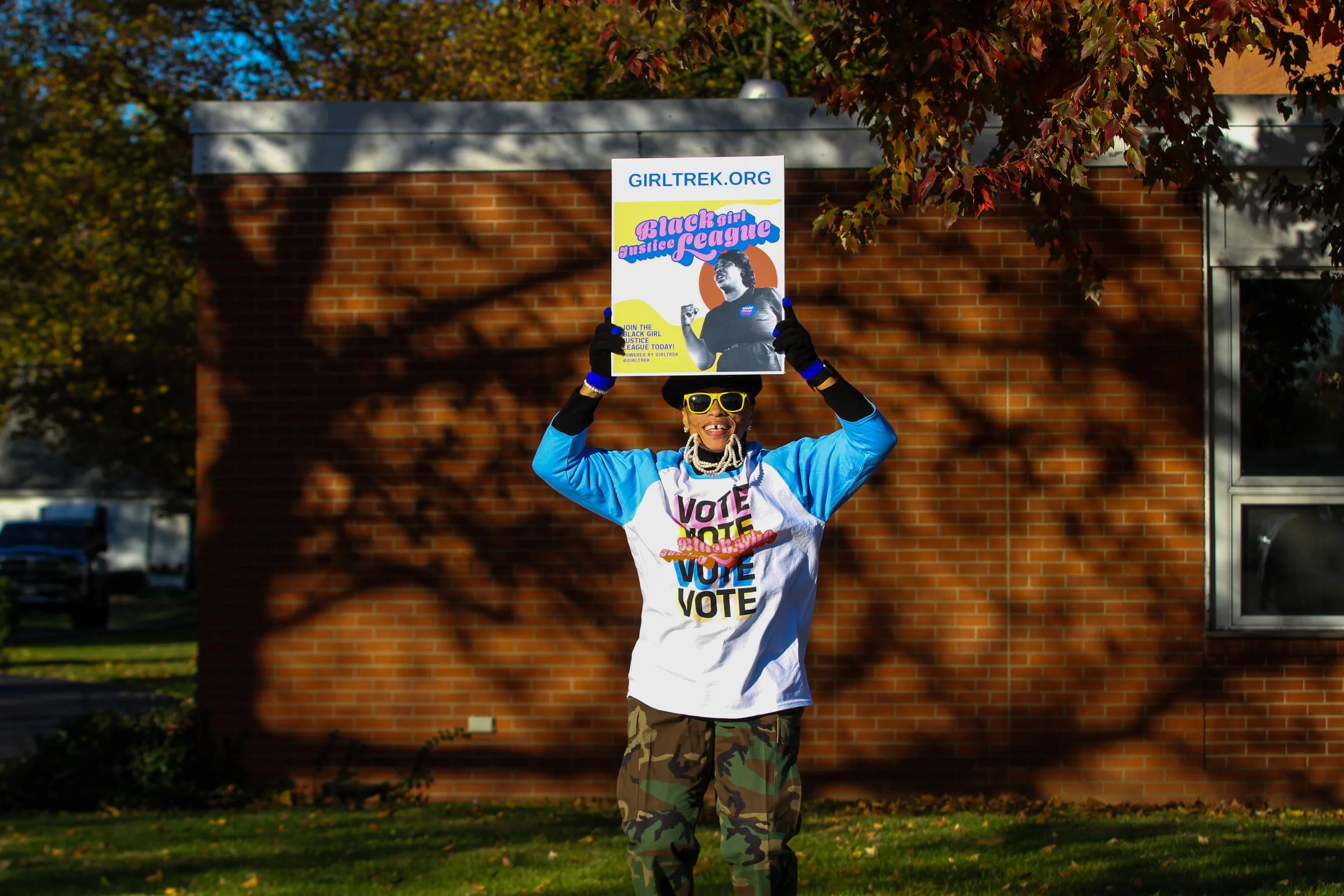
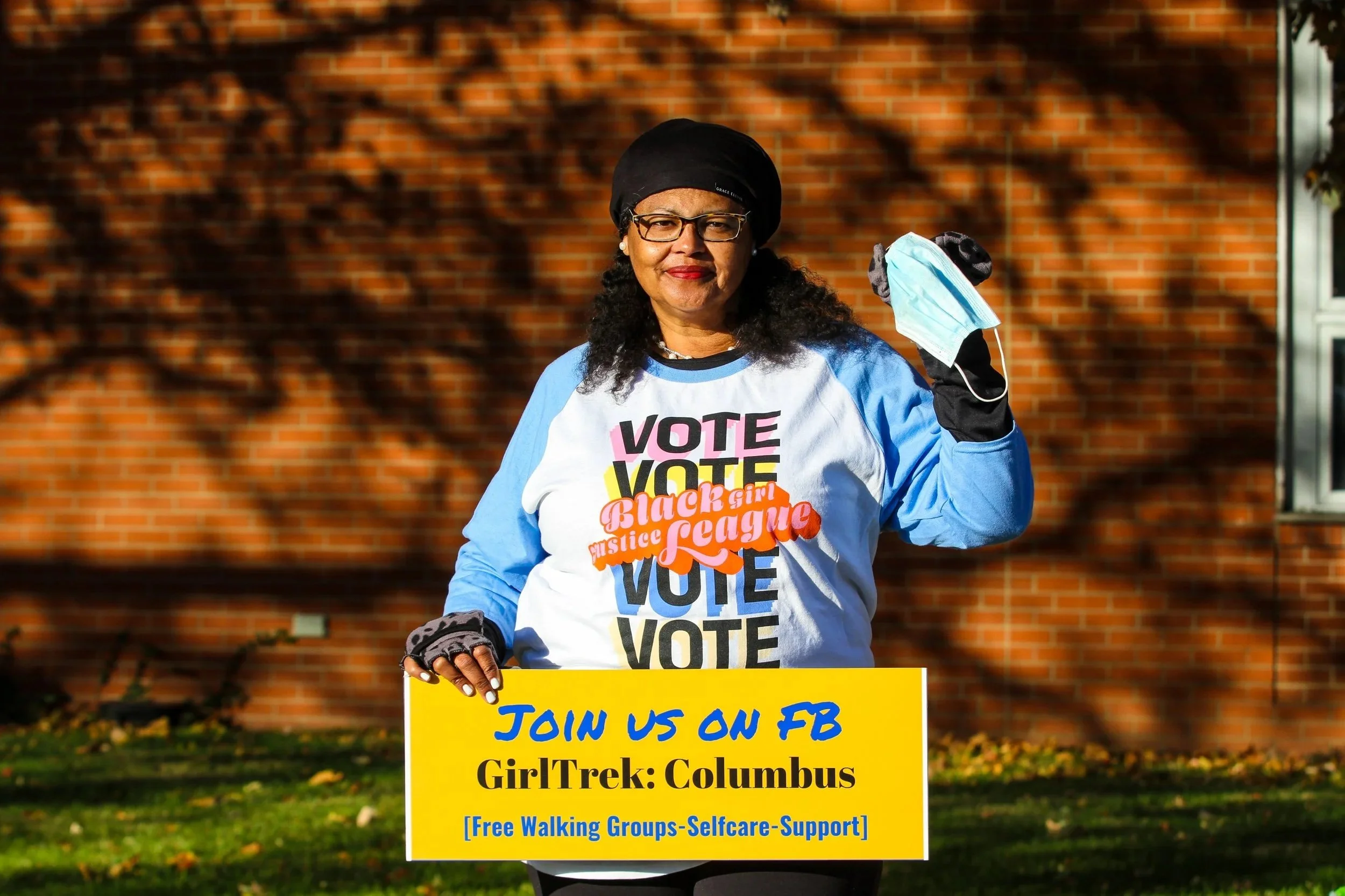
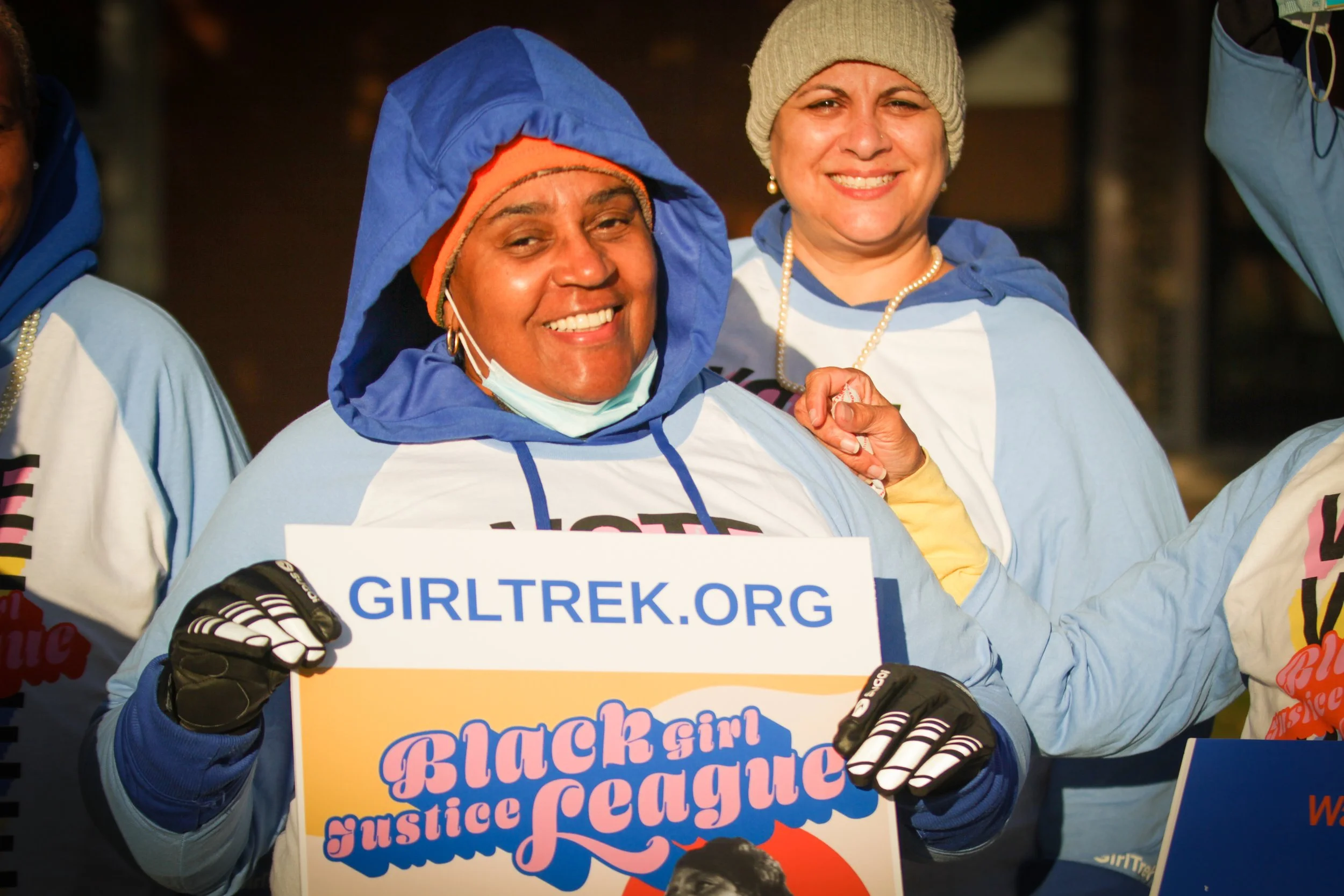
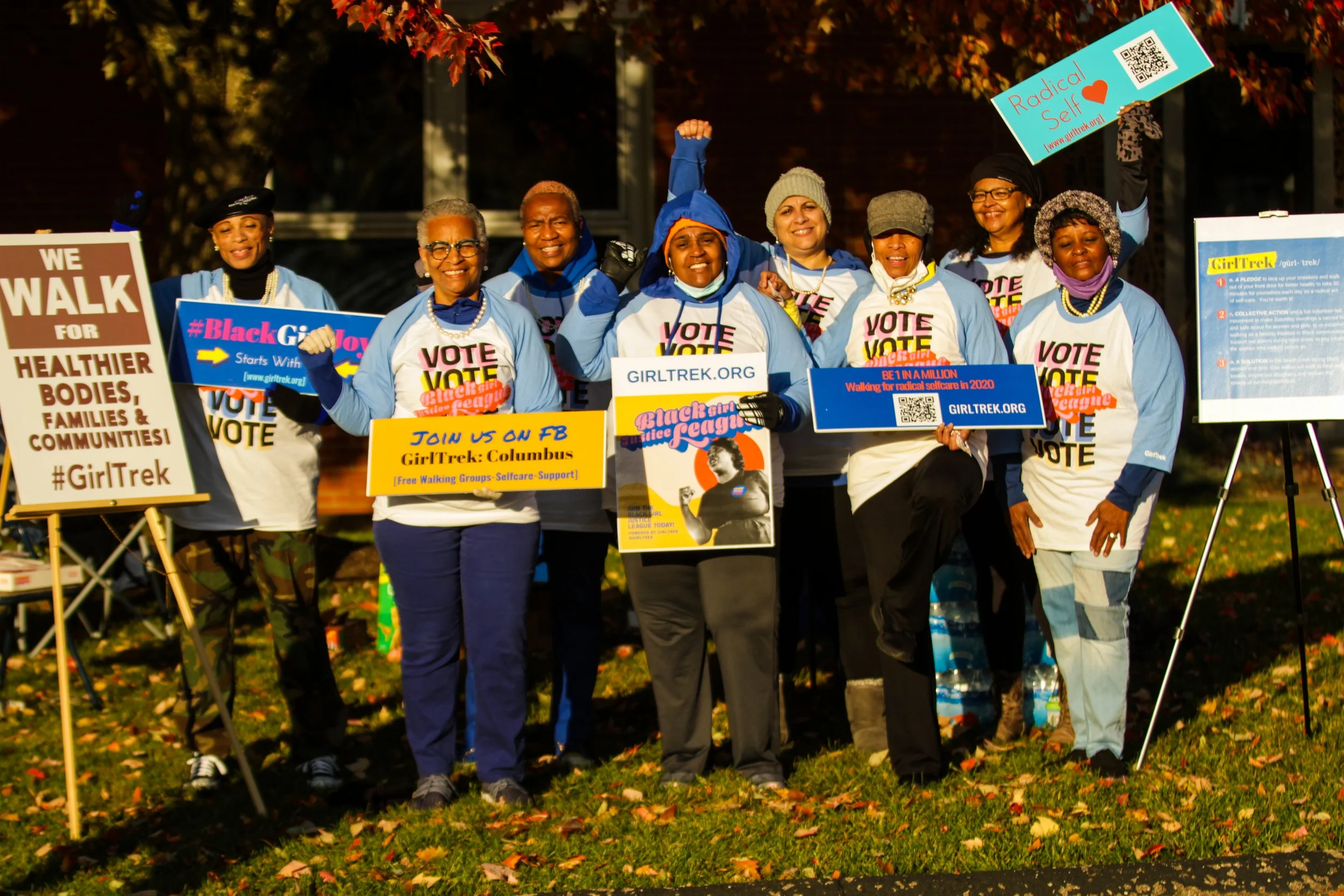
Black Girl Justice begins with a belief that lives at the heart of GirlTREK: Black women deserve to be healthy, safe, heard, and free. We deserve joy. We deserve rest. And we deserve a voice in the decisions that shape our lives.
That belief carries a responsibility: to organize for the conditions that make those things possible. Our health is connected to our neighborhoods, our workplaces, our access to care, and the time and resources we have to care for ourselves. Activism gives us a way to address those conditions together.
Since GirlTREK was founded in 2010, walking has been a way to care for ourselves and organize with one another. Women invited their friends, gathered their neighbors, and built walking teams rooted in sisterhood. Those relationships became the foundation for a movement connecting personal healing with collective change. GirlTREK’s roots in civil rights organizing reflect a conviction that Black women can lead change in their own lives and communities.
“And so GirlTrek challenges women to link up with other women, create teams and walk together to create community.”
— Vanessa Garrison, Co-founder and President of GirlTREK, in a 2014 interview with BET.
That community is essential to our activism. When women walk together, we learn each other’s names, hear each other’s stories, and notice when someone needs support. We build the trust that allows us to speak honestly about what is happening in our lives. A conversation about exhaustion can reveal a shared need for caregiving support. A conversation about a walking route can become a discussion about street lighting, accessible sidewalks, or a neglected park. Together, we begin to recognize the problems we share and the power we have to address them.
The women who showed us the way
Our activism draws strength from the women who came before us. Harriet Tubman’s journeys remind us of the courage it takes to move toward freedom and return for others. Fannie Lou Hamer, Ella Baker, and Septima Clark remind us that lasting change grows through relationships, education, and the leadership of everyday people. GirlTREK named these foremothers in its call to mobilize the Black Girl Justice League in 2020, connecting civic participation with a history of Black women organizing for freedom.
We honor that history through practice. We invite a sister to walk. We listen to what she knows about her block. We make room for her ideas. We encourage her to recognize herself as someone who can bring people together and help shape what happens next.
GirlTREK has carried that legacy into public action. In 2013, the movement brought 15,000 people together on the National Mall to honor Harriet Tubman. In 2015, GirlTREK brought 500 organizers to Selma for the 50th anniversary of the Selma to Montgomery march. These gatherings connected our commitment to Black women’s health with the ongoing work of freedom, placing our footsteps within a much longer history of collective action.
From sisterhood to civic power
The Black Girl Justice League brought that connection into focus. In 2020, GirlTREK reactivated the League to encourage Black women to become informed, register to vote, and vote early. The campaign emphasized the importance of participation in decisions at the local, state, and federal levels.
Members also showed up on Election Day, supporting voters with water, healthy snacks, and encouragement in communities across the country, including Georgia, Pennsylvania, and Ohio. This was organizing through care: using the relationships and habits built through walking to help neighbors participate and make their voices heard.
That history matters because civic power touches everyday life. Decisions about public resources, neighborhood investment, and community services can feel distant until we encounter their consequences on our own block. Organizing helps us understand who makes those decisions, how we can participate, and what we can ask for together.
Why activism is a pillar of our work
We ask Black women to make time for their health. We also have to take seriously what makes that time difficult to claim.
What happens when a woman wants to walk but does not feel safe outside? When her route has broken sidewalks or no shade? When work and caregiving leave her with little time to rest? When she needs support but has been taught to carry everything alone?
These questions belong in a health movement. They ask us to look closely at the conditions surrounding a woman’s daily choices and to organize for a world that supports her wellbeing.
For GirlTREK, that means treating Black women’s experiences as knowledge worth acting on. The sister who knows which intersection is dangerous has something to teach us. The caregiver who understands where support falls short has something to teach us. The crew that knows its neighborhood has ideas that deserve to be heard.
Our current SOLVE work carries this commitment forward through a member-driven 10-Point Plan for Joy and Justice, focused on issues affecting the health, safety, and wellbeing of Black women and girls. It gives collective action a direction grounded in the concerns of the women who make up this movement.
Walking creates a place to begin. Conversation helps us understand what matters. Organizing allows us to turn that understanding into action.
A crew can identify a concern, learn who has the authority to address it, gather neighbors, and bring a shared request forward. Each step strengthens our ability to participate. Each woman who speaks, listens, or brings someone along helps build a community capable of advocating for itself.
The legacy we carry forward
Black Girl Justice is a pillar of what we stand for because Black women deserve both care and the power to shape the conditions of our lives. We deserve to be supported when we are tired, heard when we name a problem, and trusted when we offer a solution.
As we remember the Black Girl Justice League, we honor the women who organized before us and the sisters who continue that work today. Their legacy lives in our willingness to show up for one another, learn together, and act on what our communities need.
We carry that legacy when we protect time for our own wellbeing. When we help a neighbor participate. When we bring our voices into a public meeting. When we recognize that the sister beside us has the capacity to lead, and that we do, too.
We walk to reclaim our health. We talk to build sisterhood. We organize so Black women and girls can live with the joy, dignity, and freedom we deserve.
Why We Walk This Saturday
This Saturday, we walk to honor the Black Girl Justice League and the legacy of Black women who organized for our freedom. We carry that history into our neighborhoods, where our health, safety, and everyday lives are shaped.
Our weekly walk gives us time to care for ourselves, check in on one another, and talk about what our communities need. Those conversations build the trust that makes collective action possible. We learn what matters to the sister beside us, recognize the concerns we share, and begin to imagine what we can change together.
As you walk with your crew, ask: What would help Black women and girls live healthier, safer, more joyful lives in our community? What is one step we can take together to make that happen?
Every sister has something to contribute. This week, we walk to remember that our voices matter and to practice using them together.