CoCoEco Crew Walking Through History and Health in the Queen City
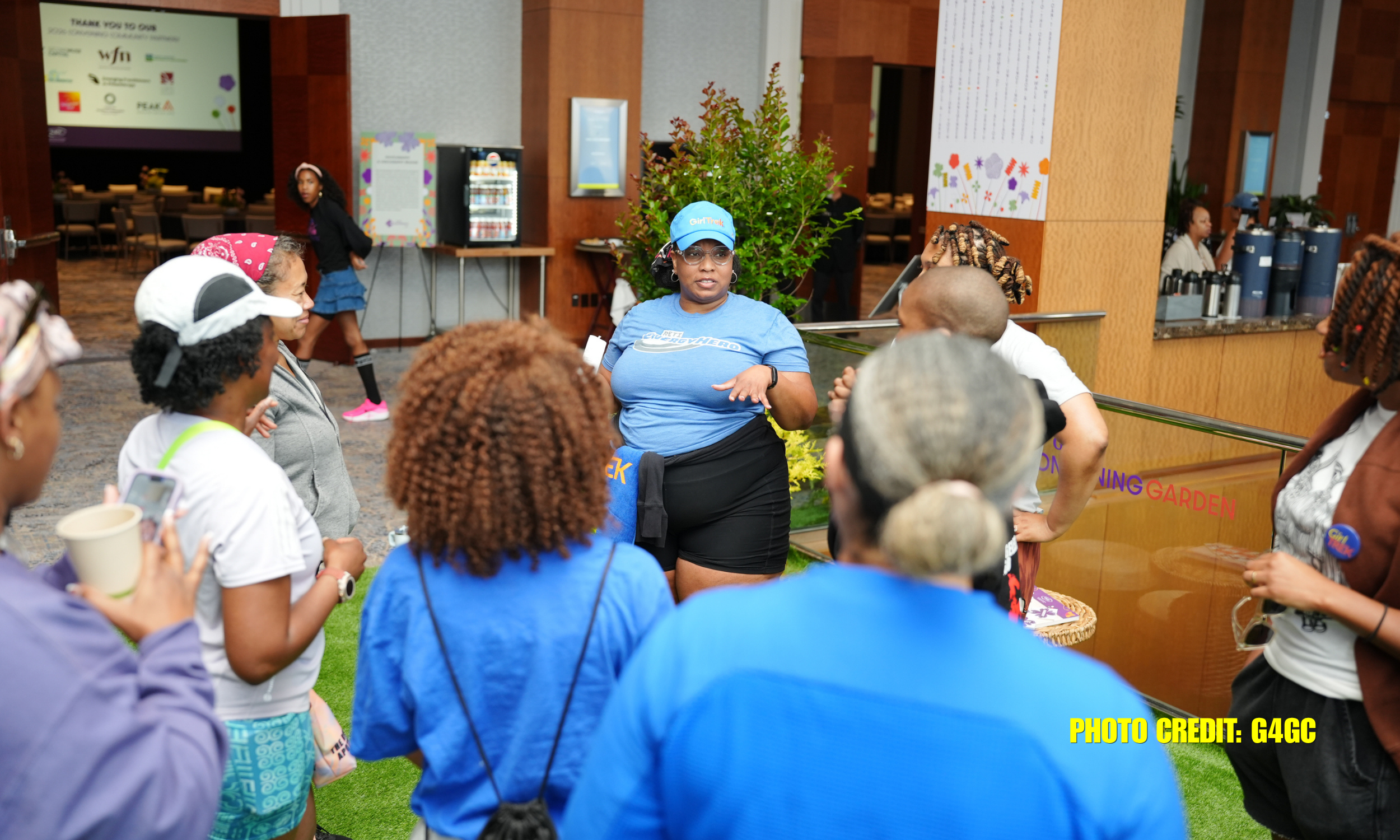
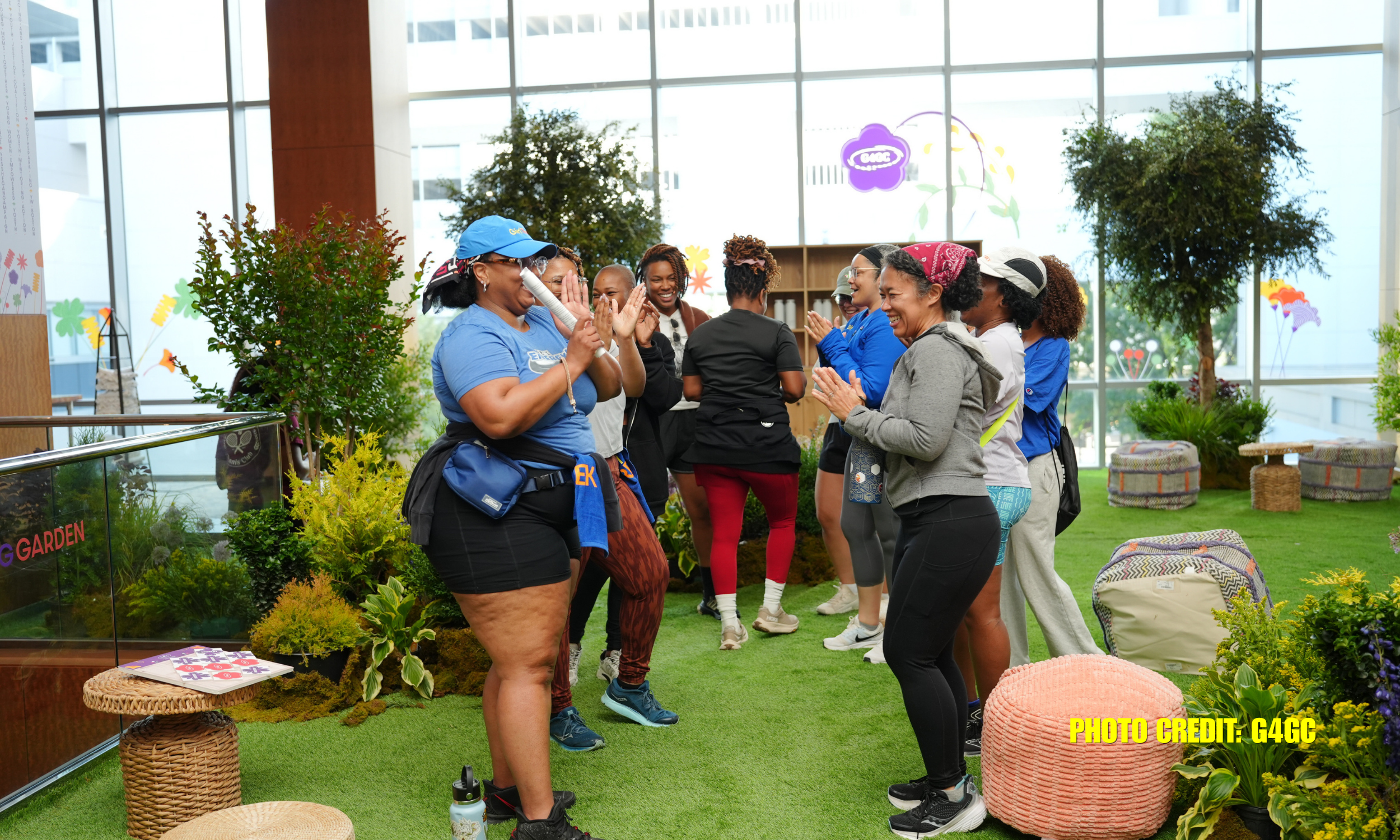
What does it look like when community wellness, environmental justice, and Black history converge on a Charlotte greenway? For the CoCoEco Initiative, it looks like a walking crew. Launched by GirlTREK members Nakisa and Khrystle, the CoCoEco Walking Crew combines public health, greenspace access, neighborhood wellness, and environmental justice into one intentional stride. Their Charlotte Greenway Series creates space for residents to move together, build community, and explore how access to safe and connected greenspaces supports healthier people and healthier neighborhoods.
The crew curated a walk as part of the G4GC Convening, that included funders and nonprofit leaders centering girls of color in their work. Moving through Charlotte's Second Ward corridor, the walk became a reckoning with place, memory, and the communities that were built and taken from Charlotte’s Black population.
CoCoEco led convening members through some of Charlotte's most historically significant places ensuring these histories were not silenced. The first stop was the Harvey B. Gantt Center, Charlotte's leading institution for African American art, history, and social change. As a beacon of cultural pride that anchors the neighborhood, walkers learned of the institution's root racing back to 1974, and its namesake Harvey B. Gantt, Charlotte’s first Black mayor and the first Black student admitted to Clemson University.
Walkers then moved on toward Romare Bearden Park, named for the celebrated artist whose work drew deeply from Black Southern life. The park sits near the footprint of the historic Brooklyn neighborhood, once a thriving, largely Black section of Charlotte that was demolished in the 1960s under the banner of urban renewal. This demolition took with it homes, businesses, churches, and the connective tissue of a self-sustaining community, that has been replaced with Brooklyn Village. Positioned as Charlotte's promise to Black residents to make amends for what was destroyed, this massive mixed-use project with shops, homes, and offices remains a promise unbuilt.
What remains is a powerful story that demonstrates the legacy of Black history in Charlotte. The Mecklenburg Investment Company (MIC) Building is the first office building in Charlotte planned, financed, and operated entirely by Black professionals. Once a home to doctors, lawyers, barbers, fraternal organizations, and civic leaders, it also served as headquarters for economic independence and political organizing in the heart of a segregated south. Beside it is Grace AME Zion Church, that holds the distinction of being the only church still standing from what was once the largest Black residential section of the city.
The tour ended with the former site of Second Ward High School. Opened in 1923 as Charlotte's first public high school for African American students, only the gymnasium remains as part of this historic site. For CoCoEco co-founder Nakisa, the stop was personal: her grandmother, sisters, and at least one aunt are alumni of Second Ward. These grounds are where her grandmother played basketball and where her aunt strengthened her educational foundation to become the first Black woman barbershop owner in Charlotte, demonstrating history not only lives in buildings, but in the stories families share.
GirlTREK walking crews are not simply about steps logged or miles covered. They are about who gets to feel welcome, safe, and seen and what it means to move through communities that hold both beauty and grief.
Walking with GirlTREK makes visible what data alone cannot: the deep connection between history, community, and justice. By supporting GirlTREK, walking crews will continue to bring more residents into movement, more stories into the light, and more justice into the communities that built them.